


The beauty and elegance of hardwood floors can significantly enhance the visual appeal of your home. However, with time and wear, even the best floors can lose their luster. You might notice scratches, dullness, or discoloration, which can leave you wondering whether it’s time for some restoration. Refinishing your floors can breathe new life into your home, but how do you know when it’s the right time to take that step? Here’s a guide to help you identify signs that your floors need refinishing and when to refinish floors in Florida (FL).
Signs Your Floors Need Refinishing
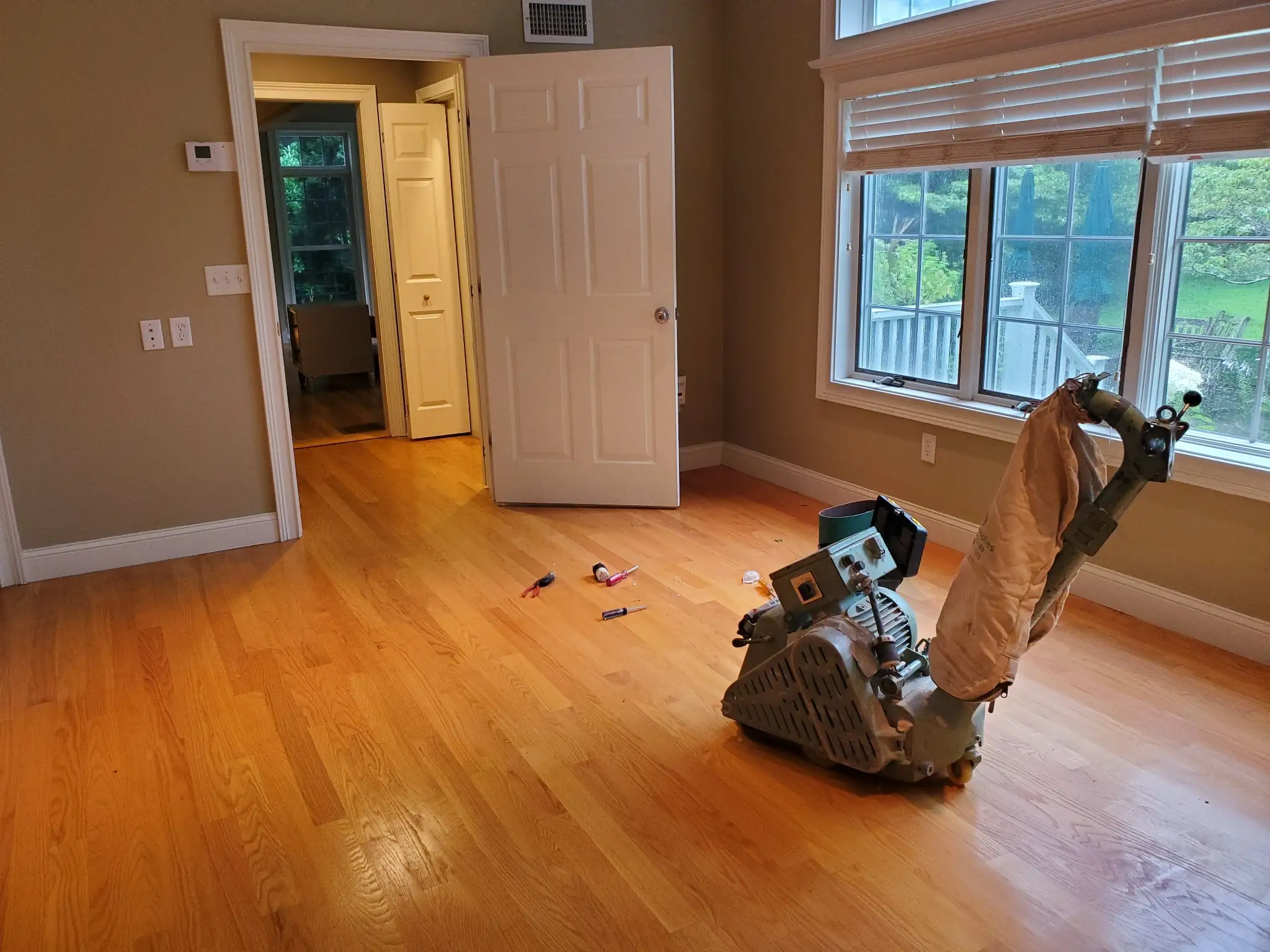
Before diving into details, it’s essential to note that floor refinishing is not just about aesthetic appeal—it’s about maintaining the structural integrity of your flooring too. Ignoring signs of wear can lead to more extensive repairs down the line. Below are the most notable signs that indicate your floors are in need of a refresh.
1. Visible Scratches and Scuffs
If you start to see a lot of scratches or scuff marks on your hardwood flooring, consider it a clear indicator that refinishing is in your near future. Small scratches can sometimes be buffed out with a simple floor cleaner, but deep scratches might require more extensive work to restore your flooring’s surface.
2. Dull Appearance
Hardwood floors have a natural shine that enhances their beauty. If your floors are starting to look dull or lackluster, this can be a sign that the finish has worn away. Refinishing your floors can restore that natural glow, making your rooms feel vibrant and welcoming again.
3. Water Damage and Stains
Water damage can be particularly damaging to hardwood floors. If you notice water stains or any uneven spots, these need immediate attention. Refinishing can sometimes remove surface stains, but deep damage might require specific repairs before the refinishing process can occur.
When to Refinish Floors in Florida
Understanding the right timing for refinishing floors can save you money and extend the life of your hardwood. In Florida, factors like humidity and heat can contribute to how often you should refinish your floors. Here are some guidelines to follow.
4. Frequency of Foot Traffic
If your home is bustling with activity, the floors will naturally experience more wear and tear. Homes with pets, children, or high volumes of foot traffic may need refinishing every three to five years. Pay attention to the condition of your floors; if they are showing signs of wear, it might be time to consider refinishing.
5. Change in Home Environment
If you’ve recently made changes to your home, such as new furniture or decor, the aesthetic of your flooring might not sync well with your new style. Retrofitting your floors can enhance the overall look and feel of your home, making it more cohesive and appealing.
6. Age of the Floors
The age of your flooring plays a crucial role in determining when it’s time for refinishing. If your hardwood floors are ten years old or older and haven’t been refinished yet, it’s likely time to assess their condition closely. A professional can help with that evaluation and determine the best course of action for restoration.
The Refinishing Process
Once you’ve identified that your floors are in need of refinishing, understanding the process can help ease your worries about the upcoming project. Here’s what to expect when refinishing your hardwood floors.
7. Preparing the Area
It’s often best to clear the area of furniture and other items. This allows for better access to your flooring and prevents damage to your belongings. Consulting with a professional about this process will ensure a smoother experience, as they can help you strategize the best way to protect your home.
8. Sanding the Floors
Sanding is a significant part of the refinishing process. It removes the top layer of the wood along with any scratches or dents. This step unveils the beautiful wood underneath, preparing it for a new finish. Be aware that this can create dust, so proper containment will be essential.
9. Applying New Finish
Once the floors have been sanded down and prepped, a new finish gets applied. This can be a polyurethane finish or a natural oil, depending on the look you want. The choice of finish can also affect the luster and durability of your floors, so choose wisely.
Maintaining Your Newly Finished Floors
The job doesn’t end once the refinishing process is over. Proper maintenance will extend the life of your floors. Here are some tips to keep your newly refinished floors looking their best.
10. Regular Cleaning
Routine cleaning is crucial for maintaining hardwood floors. Use a soft broom or a vacuum designed for hardwood to remove dirt and debris. Avoid using excess water as it can damage the finish and encourage warping.
11. Use Area Rugs
Consider using area rugs in high-traffic locations. Rugs can absorb some of the impact from foot traffic, helping to preserve the finish for as long as possible.
12. Monitor Environmental Conditions
In humid climates like Florida, maintaining a consistent indoor humidity level can preserve hardwood floors. Use a dehumidifier if necessary—this can prevent warping and cracking in the wood.
Conclusion
Recognizing when your hardwood floors need refinishing is crucial to maintaining their beauty and functionality. Remember to look out for signs such as visible scratches, a dull appearance, and any water damage. The humid conditions in Florida can necessitate refinishing every few years, especially in homes with high foot traffic.
Taking proactive steps to assess and maintain your floors will lead to a more beautiful living environment and potentially save you from costly repairs in the future. If you notice any of the signs discussed, it might be time to connect with a professional for evaluation and advice. Your floors deserve the best care possible, so don’t hesitate to restore their shine and strength.