


Choosing the right commercial flooring is no small feat. With so many options available, it can often feel overwhelming. Whether you’re outfitting a bustling retail store, a sophisticated office, or a cozy cafe, the right flooring can set the tone and functionality of the space. It plays an important role in branding, safety, and even the comfort of your employees and customers. With that said, knowing where to start when selecting commercial flooring is crucial. A well-thought-out choice will not only enhance the aesthetics of your space but will also provide durability and ease of maintenance.
For anyone taking on the challenge of flooring selection, this guide offers essential insights. Specifically, it serves as a commercial flooring guide FL, tailored for those in Florida or anyone looking to streamline their flooring decision-making process. Now let’s delve into the core elements to consider when choosing commercial flooring.
Understanding Your Needs
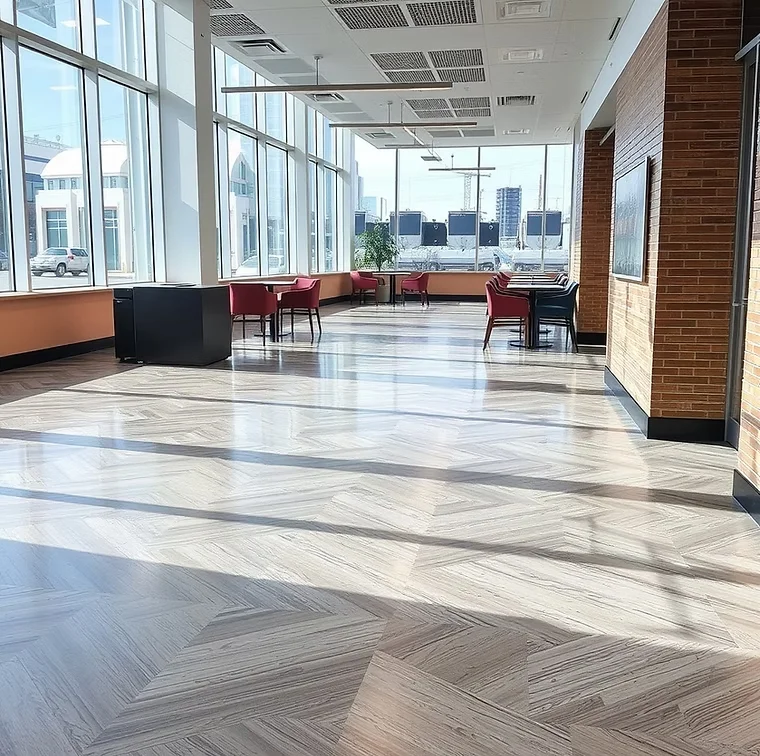
Before diving headfirst into the myriad of materials, it’s critical to understand your specific needs. Ask yourself:
- What is the primary function of the space?
- How much foot traffic will the area experience?
- Are there specific design aesthetics you want to achieve?
Each type of commercial flooring has unique properties that make it more suitable for one environment than another. For instance, a busy restaurant will require flooring that is both durable and easy to clean, while a boutique may prioritize something that enhances its visual appeal.
Assessing Foot Traffic
Foot traffic assessment is vital. High-traffic areas need flooring that can withstand constant use without losing its appearance. Materials like vinyl, concrete, and certain types of tile are excellent choices for heavy use because they are robust and resistant to wear and tear. In contrast, for low-traffic areas, options like carpet tiles may be more appropriate, offering warmth and comfort without the need for the same level of durability.
Exploring Material Options
The variety of flooring materials available can be staggering. Each comes with its unique pros and cons, which must be weighed carefully. Here’s a snapshot of some common options:
Vinyl Flooring
Vinyl flooring is a popular choice for many commercial spaces due to its versatility, affordability, and ease of maintenance. It’s available in numerous designs, including those that mimic natural wood or stone. One of the key advantages is its water resistance, making it ideal for areas prone to spills or moisture, such as kitchens or bathrooms. Plus, vinyl offers comfort underfoot, which employees and customers appreciate.
Ceramic and Porcelain Tiles
These tiles provide a classic look and are also incredibly durable. They are suitable for a variety of environments, especially those that experience a lot of foot traffic. Notably, porcelain tiles are denser and less porous, offering better resistance to water and stains, making them perfect for restrooms and restaurant settings. The downside? Installation can be labor-intensive and often requires a skilled professional.
Carpet Tiles
If you’re looking to create a cozy atmosphere or improve acoustics, carpet tiles might be the perfect choice. They are available in a range of styles and colors, allowing for creative designs. Furthermore, carpet tiles can be replaced individually if stained or damaged, which can save on costs in the long run. However, they may not hold up as well in high-moisture environments.
Hardwood Flooring
Wood adds warmth and elegance and can be ideal for premium office spaces or upscale retail environments. While it’s susceptible to scratches and may require refinishing over time, proper maintenance can prolong its life and beauty. Just keep in mind that not all wood products are suitable for every climate—consider humidity levels, especially in Florida.
Environmental Considerations
In recent years, environmental concerns have become paramount in many industries, and flooring is no exception. Choosing sustainable materials can positively impact your business’s image and lessen your environmental footprint.
Eco-Friendly Options
There are various eco-friendly flooring options available, including bamboo, cork, and linoleum. Bamboo grows rapidly and is a renewable resource, while cork provides insulation and is harvested without harming trees. Look for certifications like LEED or FloorScore to ensure the materials meet environmental standards.
Budgeting Wisely
Cost is often a significant factor in flooring decisions. Keep in mind not only the initial purchase and installation costs but also the long-term maintenance expenses. Durable materials may have higher upfront costs but can result in lower maintenance and replacement expenses over time. Consider drafting a budget that addresses immediate needs and future projections.
Calculating Total Costs
Be sure to factor in installation costs, which can vary widely based on the complexity of the job and the flooring material selected. It’s also prudent to keep a portion of your budget aside for unexpected expenses—one never knows what might turn up during installation.
Maintenance and Longevity
Regardless of the flooring option selected, understanding the maintenance requirements is crucial. Some materials need routine waxing or sealing, while others are simply swept and mopped. Consider your staff’s time and resources. A maintenance-friendly floor means less operational disruption.
Cleaning Needs
As a part of your commercial flooring guide FL, remember that climate and location also impact maintenance. In more humid areas like Florida, moisture can lead to mold growth if not properly managed. Selecting flooring that aligns with your cleaning capacity will help keep your space looking its best.
Choosing the Right Installer
Finally, the importance of choosing the right flooring installation professional cannot be overstated. The quality of the installation can greatly affect durability and performance. When searching for an installer, consider their experience, references, and the warranties they offer on both services and materials.
Checking Reviews and References
Be sure to check online reviews or ask for referrals. A reputable installer will be transparent about their processes and provide clients with a detailed proposal outlining costs and timelines.
In conclusion, selecting the right commercial flooring requires careful consideration of multiple factors, from the specific needs of your business to the installation process. By following this commercial flooring guide FL, you can navigate the decision-making process confidently and end up with a flooring solution that meets your needs in both functionality and aesthetics. Remember, investing time in your selection will pay off in a space that serves you and your customers well.